
 Verfasst von
 Du siehst, wohin du siehst, nur Eitelkeit auf Erden.
Was dieser heute baut, reißt jener morgen ein:
Wo jetzt noch Städte stehn, wird eine Wiese sein,
Auf der ein Schäferskind wird spielen mit den Herden.Was jetzt noch prächtig blüht, soll bald zertreten werden.
Was jetzt so pocht und trotzt, ist morgen Asch’ und Bein,
Nichts ist, das ewig sei, kein Erz, kein Marmorstein.
Jetzt lacht das Glück uns an, bald donnern die Beschwerden.Der hohen Taten Ruhm muss wie ein Traum vergehn.
Soll denn das Spiel der Zeit, der leichte Mensch, bestehn?
Ach! Was ist alles dies, was wir für köstlich achten,Als schlechte Nichtigkeit, als Schatten, Staub und Wind;
(Andreas Gryphius aus der Zeit des Dreißigjährigen Krieges – 1637)
Als eine Wiesenblum’, die man nicht wieder find’t.
Noch will, was ewig ist, kein einzig Mensch betrachten!
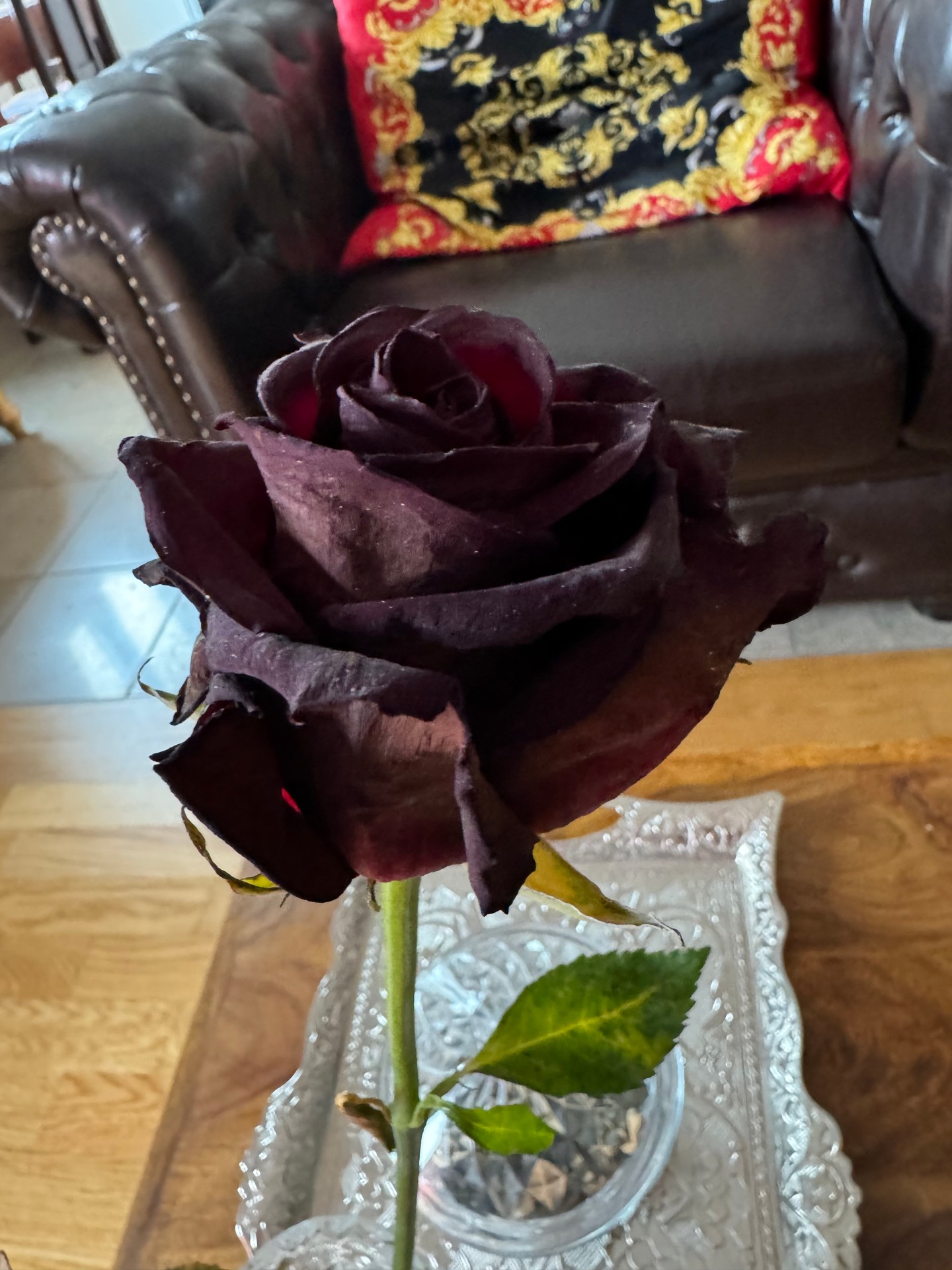
Alles was Zusammengesetz ist wird auch wieder Zerfallen … alle Elemente sind im Spiel – im Spiel des Entstehens und Vergehens – der Moment das Einzige was ist und doch so kurz oder lang wie unsere Aufmerksamkeit darauf weilt – Wie kurz oder lang ist ein dein Augenblick?
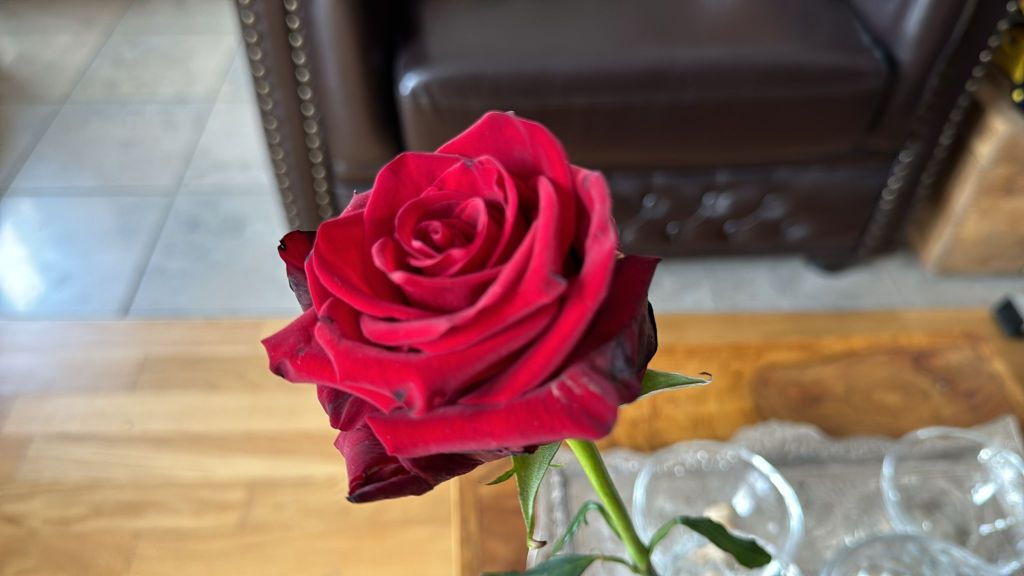
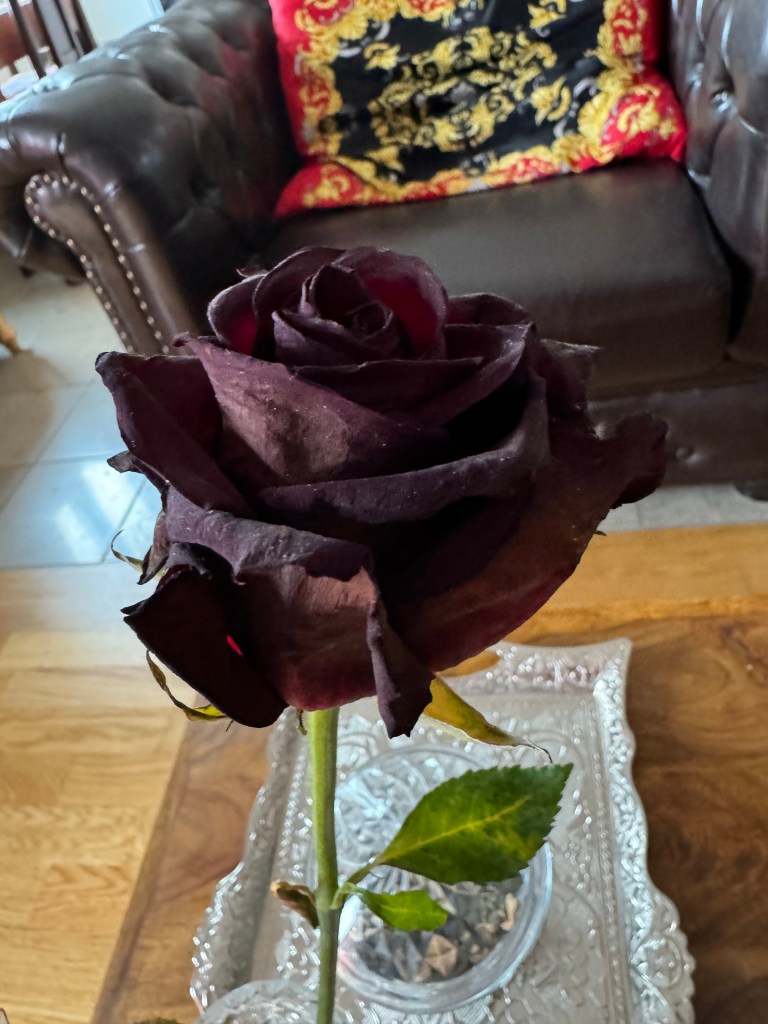

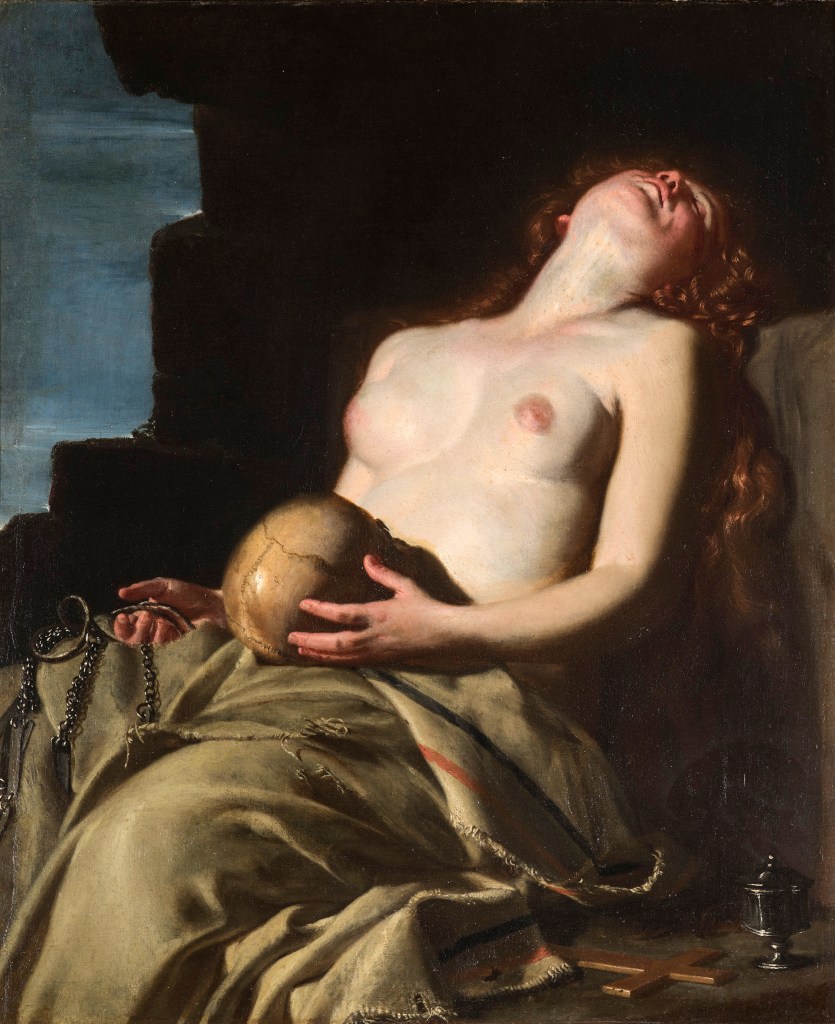
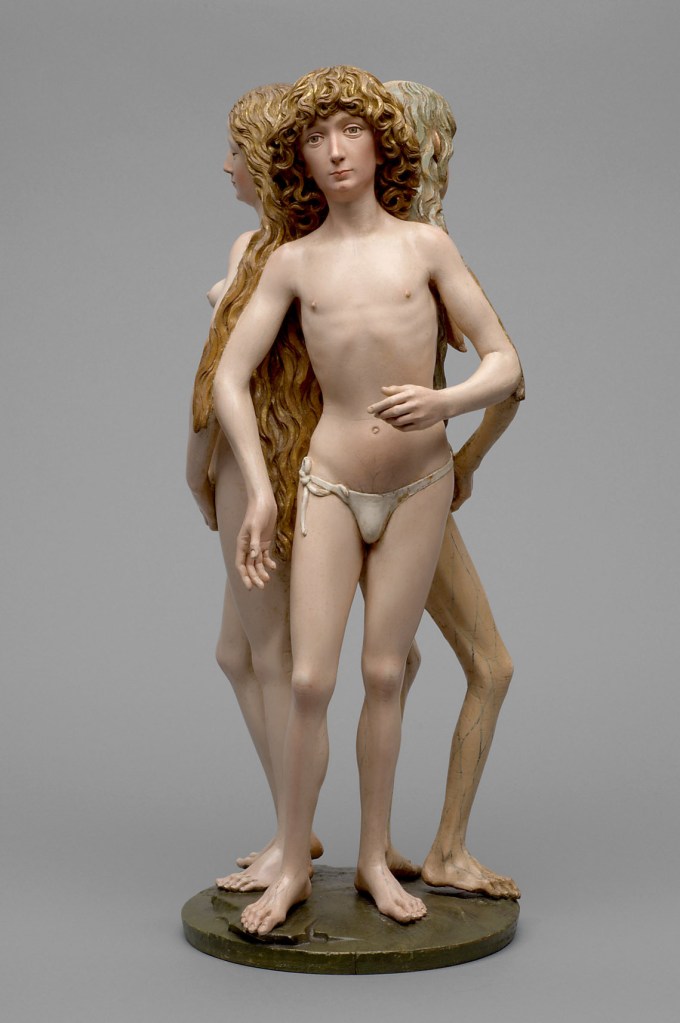


LIFE IS SHORT AND FLEETING
Pali Canon (AN 7:70; IV 136–39)
Long ago, O monks, there lived a religious teacher named Araka, who was free of sensual lust. He had many hundreds of disciples, and this was the doctrine he taught to them:
“Short is the life of human beings, O brahmins, limited and brief; it is full of suffering, full of tribulation. This one should wisely understand. One should do good and live a pure life; for none who is born can escape death.
Just as a dew drop on the tip of a blade of grass will quickly vanish at sunrise and will not last long; even so, brahmins, is human life like a dew drop. It is short, limited, and brief; it is full of suffering, full of tribulation. This one should wisely understand. One should do good and live a pure life; for none who is born can escape death.
Just as, when rain falls from the sky in thick drops, a bubble appearing on the water will quickly vanish and will not last long; even so, brahmins, is human life like a water bubble. It is short … for none who is born can escape death.
Just as a line drawn on water with a stick will quickly vanish and will not last long; even so, brahmins, is human life like a line drawn on water. It is short … for none who is born can escape death.
Just as a mountain stream, coming from afar, swiftly flowing, carrying along much flotsam, will not stand still for a moment, an instant, a second, but will rush on, swirl and flow forward; even so, brahmins, is human life like a mountain stream. It is short … for none who is born can escape death.
Just as a strong man might form a lump of spittle at the tip of his tongue and spit it out with ease; even so, brahmins, is human life like a lump of spittle. It is short … for none who is born can escape death. “’Just as a piece of meat thrown into an iron pan heated all day will quickly burn up and will not last long; even so, brahmins, is human life like this piece of meat. It is short … for none who is born can escape death.
Just as, when a cow to be slaughtered is led to the shambles, whenever she lifts a leg she will be closer to slaughter, closer to death; even so, brahmins, is human life like cattle doomed to slaughter; it is short, limited, and brief. It is full of suffering, full of tribulation. This one should wisely understand. One should do good and live a pure life; for none who is born can escape death.’
But at that time, O monks, the human lifespan was 60,000 years, and at 500 years girls were ready for marriage. In those days people had but six afflictions: cold, heat, hunger, thirst, excrement, and urine. Though people lived so long and had so few afflictions, that teacher Araka gave to his disciples such a teaching: ‘Short is the life of human beings….’
But nowadays, O monks, one could rightly say, ‘Short is the life of human beings …’; for today one who lives long lives for a hundred years or a little more. And when living for a hundred years, it is just for three hundred seasons: a hundred winters, a hundred summers, and a hundred rains. When living for three hundred seasons, it is just for twelve hundred months: four hundred winter months, four hundred summer months, and four hundred months of the rains. When living for twelve hundred months, it is just for twenty-four hundred fortnights: eight hundred fortnights of winter, eight hundred of summer, and eight hundred of the rains.
And when living for twenty-four hundred fortnights, it is just for 36,000 days: 12,000 days of winter, 12,000 of summer, and 12,000 of the rains. And when living for 36,000 days, he eats just 72,000 meals: 24,000 meals in winter, 24,000 in summer, and 24,000 in the rains. And this includes the taking of mother’s milk and the times without food. These are the times without food: when agitated or grieved or sick, when observing a fast, or when not obtaining anything to eat.
Thus, O monks, I have reckoned the life of a centenarian: the limit of his lifespan, the number of seasons, years, months, and fortnights, of days and nights, of his meals and foodless times.
Whatever should be done by a compassionate teacher who, out of compassion, seeks the welfare of his disciples, that I have done for you. These are the roots of trees, O monks, these are empty huts.
Meditate, monks, do not be negligent, or else you will regret it later. This is our instruction to you.
 Dhamma&more...